What Is Dental Anxiety?
If going to the dentist makes your heart race, you are far from alone. In fact, the American Dental Association reports that about 72 percent of adults have a fear of the dentist. That is nearly three out of four people, all carrying the same worry: What if it hurts? What if I panic? What if I can’t handle it?
Dental anxiety is incredibly common, and it deserves understanding, not judgment. At Bass Dentistry, we meet patients where they are, whether they feel a little nervous or overwhelmed just walking through the door. Anxiety does not mean you are difficult, dramatic, or behind on your care. It simply means your nervous system is trying to protect you, and it might need a little support. We’re breaking down what dental anxiety is, why so many adults experience it, and how you can feel more confident, calm, and in control at your next visit.
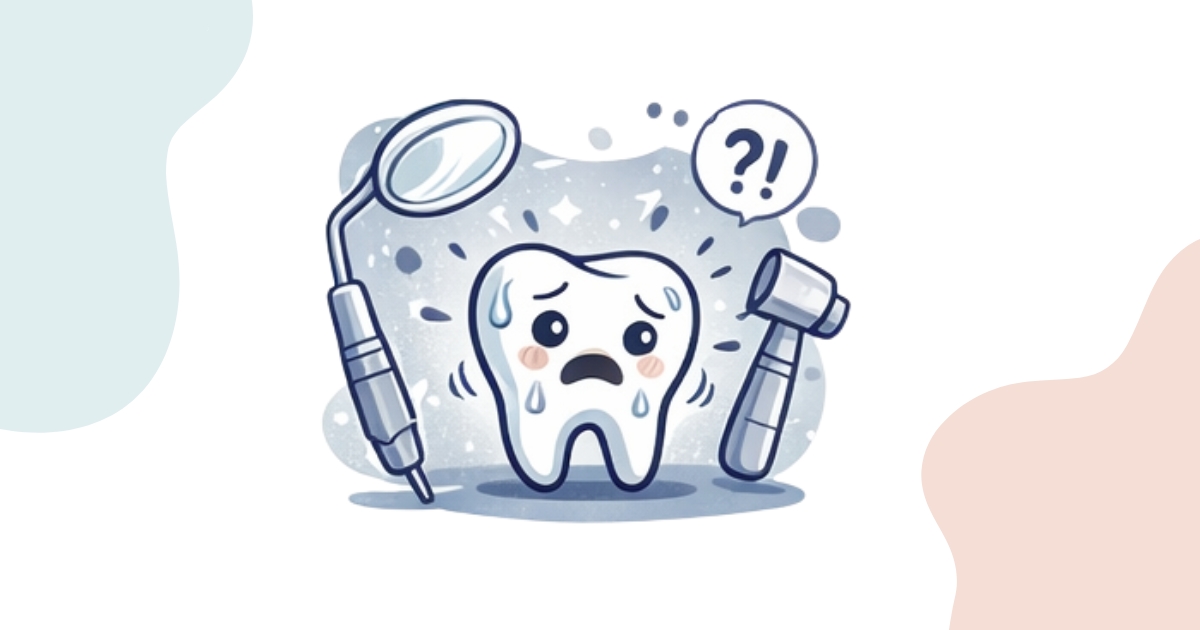
Why Do So Many People Experience Dental Anxiety?
Dental anxiety can come from all kinds of experiences, and most of them are very human. Some adults grew up without positive dental care. Others had a painful appointment once and never forgot it. Many feel embarrassed about the state of their teeth, even though dentistry exists to help, not judge.
The most common triggers include:
- Fear of pain or discomfort
- Fear of the unknown
- Embarrassment about oral health
- Sensory overwhelm from lights, sounds, or smells
- Fear of not having control during the appointment
And for many people, it is not even one clear cause. It is a mix of small fears that create considerable stress. Understanding where anxiety comes from makes it easier to approach dental visits with compassion for yourself.
How Anxiety Affects Your Oral Health
Avoidance is one of the strongest patterns tied to dental anxiety. For many people, months turn into years between visits. That avoidance can lead to more issues, which then increases anxiety, forming a cycle that is hard to break.
This is why supportive, gentle, prevention-focused care matters so much. When people feel safe enough to come in regularly, their oral health stabilizes, and their anxiety often does too.
Ways to Cope With Dental Anxiety
If you experience dental anxiety, you can build skills and routines that help reduce stress before and during your appointment. Here are some simple strategies many of our patients find helpful:
Practice slow breathing: Try a simple count-in, count-out rhythm to calm your nervous system before and during your visit.
Ask for step-by-step explanations: Uncertainty often fuels fear. Knowing what comes next gives you more control.
Create a hand signal: A raised hand means pause. You never have to “push through” discomfort.
Bring comfort items: Headphones, a favorite playlist, a calming scent on your wrist, or even a jacket that feels grounding can help.
Choose appointment times wisely: Morning appointments help people who find that anxiety grows throughout the day.
Bring a support person if needed: Sometimes knowing someone is in the lobby or treatment room can make the entire experience easier.

How We Make Dental Visits More Comfortable
We design our care around real people, including those with dental anxiety or sensory sensitivities. Instead of expecting you to push through discomfort, we focus on creating a sensory-friendly environment that feels safe and calming. Weighted blankets, noise-canceling headphones, sunglasses, and a low-stimulation setting help many patients settle in, and our therapy dog, Fender, provides steady comfort that naturally lowers stress.
We also prioritize clear, consent-based communication. We explain each step, check in often, and pause whenever you need. Whether it has been months or years since your last visit, you are always met without judgment. For some patients, the first appointment is simply meeting the team and getting comfortable in the space. That is perfectly okay. Our goal is to support your comfort first, then your care plan.
At every visit, we honor anxiety and sensory needs as real human experiences, not obstacles. Our team is trained to help you feel understood, supported, and truly at ease the moment you walk through the door.
You Deserve Care
That
Feels Safe
Dental anxiety is real, common, and absolutely manageable with the right environment and the right team. If you’ve been putting off care because of fear of the dentist, consider this your gentle encouragement to reach out. When you are ready, call or text our office at (704) 864-9949 with questions. We will walk with you at your pace and help you build confidence one visit at a time.