How are Mental Health and Dental Health Connected?
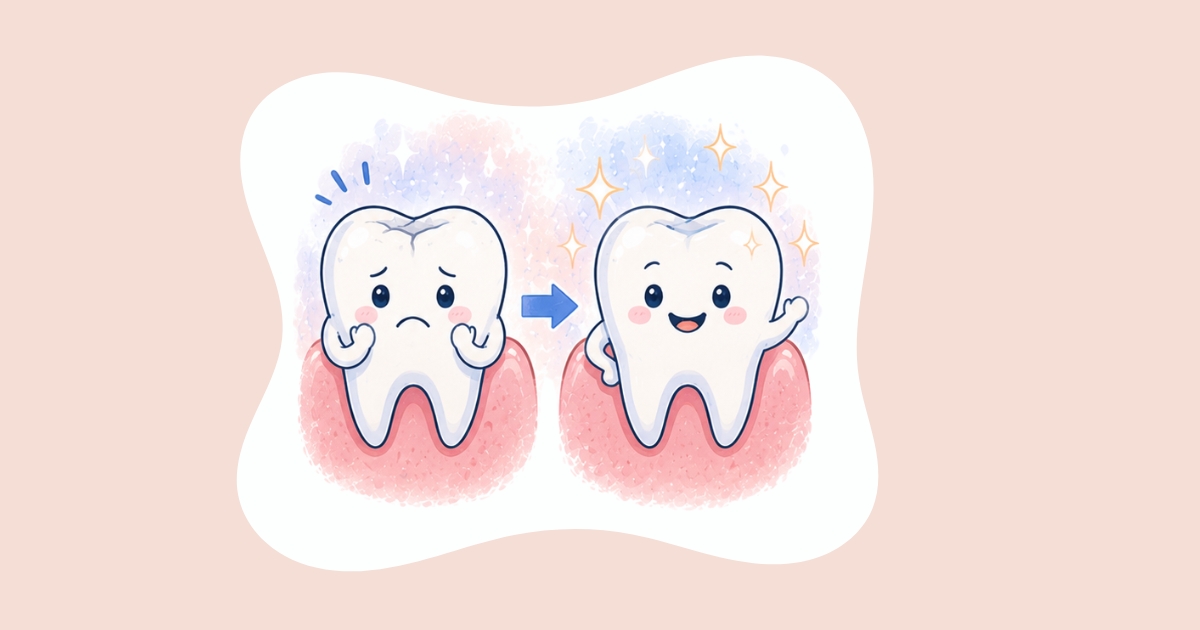
We may consider only our bodies’ physical condition and function when thinking about health. But those aren’t the only vital pieces in the wellness puzzle. Changes in oral health and mental well-being affect our overall wellness—if any of these pieces are slightly out of place, the others are likely to slip. Therefore, mental health and dental health are more closely connected than most of us realize.
On the most basic level, maintaining a healthy smile is good for self-esteem. For a lot of people, healthy-looking teeth provide a confidence boost. When you’re feeling well enough physically and mentally to maintain your dental health, it shows. It’s easier to remember to brush and floss every day and motivate yourself to make and keep regular dentist appointments when your mental health is solid.
Maintaining oral hygiene when you’re struggling with mental health issues is more complicated. Certain mental health conditions can make it more challenging to care for or about your teeth. No two people experience exactly the same symptoms, but it isn’t unusual for physical and dental health to decline when mental health issues arise.

Does Mental Health Affect Dental Hygiene?
As previously mentioned, if one piece of the wellness puzzle is out of place, the other pieces slip, too. So mental health struggles can definitely affect dental hygiene.
For example, people who experience depression may not be motivated to care for their teeth. They may skip regular brushing and flossing, allowing tartar to build up and tooth decay to progress over time. Or, they may self-medicate with sugary or nutrient-deficient foods, alcohol, or tobacco products, all of which contribute to tooth decay.
Conversely, some people who have depression may not have an appetite at all. Not eating can lead to malnutrition, which prevents teeth from getting the vitamins and minerals they need to stay healthy.
People who struggle with anxiety may avoid visiting the dentist altogether. Reluctance to see a dentist can negatively impact dental health, as minor issues like tartar build-up or cavities may go untreated and become more severe later.
Patients who experience OCD (Obsessive Compulsive Disorder) may be uncomfortable visiting the dentist out of fear that the facility isn’t clean enough. On the other hand, some people with OCD may engage in extreme dental care at home. Over-brushing and brushing or flossing too hard can cause gum recession and wear on tooth enamel.
Sometimes medications used to treat certain mental health conditions cause side effects like dry mouth. A lack of saliva prevents teeth from properly remineralizing, which can weaken teeth over time.
Dental Care That Meets You Where You Are
Our team is here to talk through what’s going on and help you find a routine that works for you. The simplest things you can do are brush your teeth twice a day with fluoride toothpaste and floss once a day. Even if you can only brush your teeth once a day, you’re making progress!
At Bass Dentistry, we have an in-office therapy dog to help patients with anxiety. Therapy animals are excellent stress relievers, proven to lower heart rate and lift mood. Our friendly, compassionate staff take the time to listen to your concerns, answer questions, and guide you through every step of your visit.
Make sure to let us know what we can do to make you more comfortable. Sometimes something as simple as noise-canceling headphones and a weighted blanket during a procedure can make a stressful experience much more manageable. We understand that anxiety is often experienced in the dental office. Please know that you are not the only one! We have many options to create a positive experience.
We Are Here
For You
Mental health is an integral part of overall health, and no one should feel ashamed to ask for help. When you’re not maintaining your mental health, the rest of your body suffers as well. We’re here to help your whole body and mind stay healthy, strong, and performing at their best.
Whether you’re dealing with dental anxiety, haven’t been in a while, or just need a team that meets you without judgment, that’s exactly what we’re here for. Book an appointment or call us at 704.864.9949. We’d love to see you!