What is Dental Pulp?
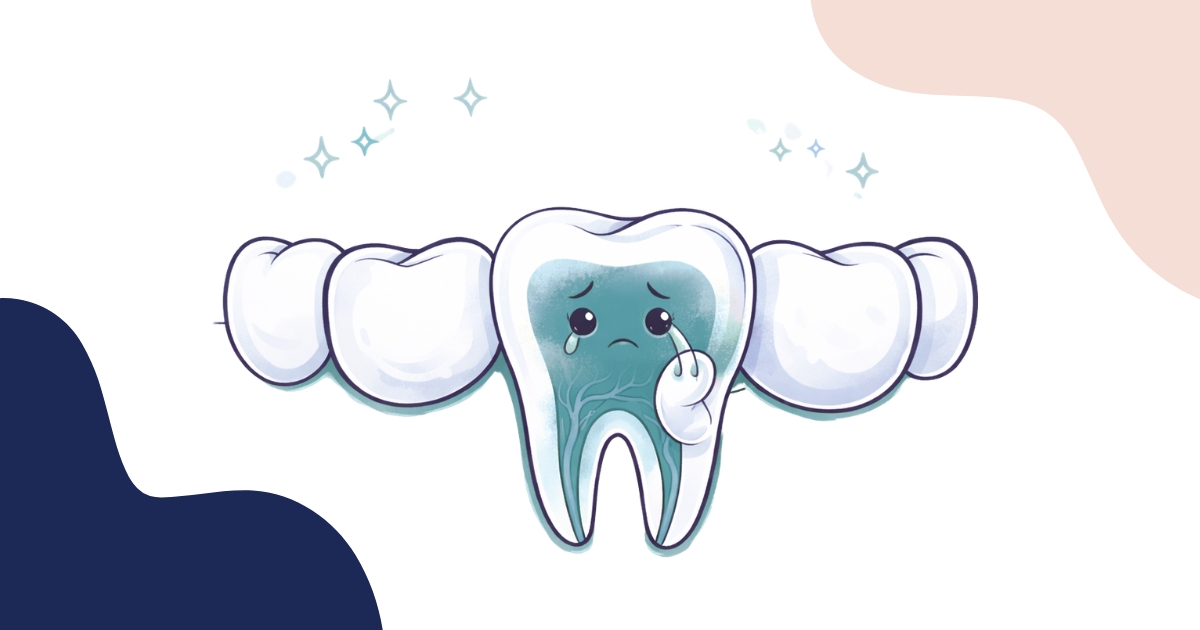
Dental pulp is the soft, living tissue inside your tooth. Located at the center of each tooth, it contains nerves, blood vessels, and specialized cells that help keep your tooth healthy and alive. Simply put, it is the heart of your tooth’s vitality.
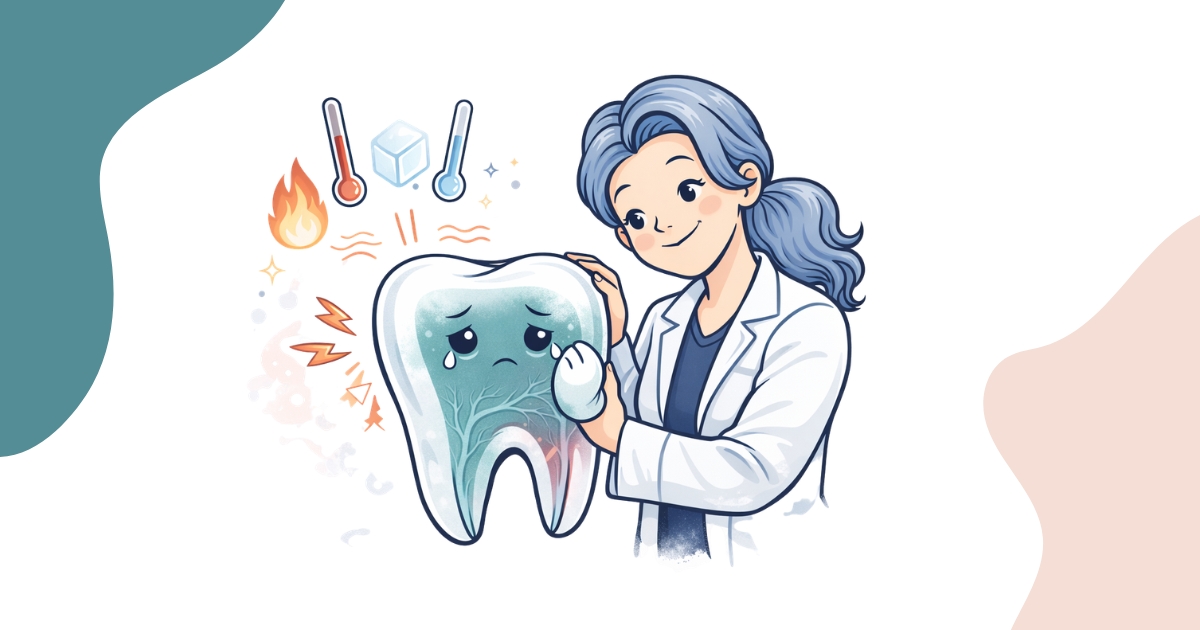
Helps You Feel Sensation: The nerve within the pulp helps your tooth detect hot, cold, pressure, and pain. That sudden zing from a cold drink or discomfort when you bite down is often your pulp tissue sending a signal.
Nourishes Your Tooth: Tiny blood vessels deliver oxygen and nutrients that help your tooth stay strong and functional.
Protects and Repairs: When a tooth experiences irritation, from decay, cracks, or trauma, the pulp can respond by forming protective dentin to defend itself.
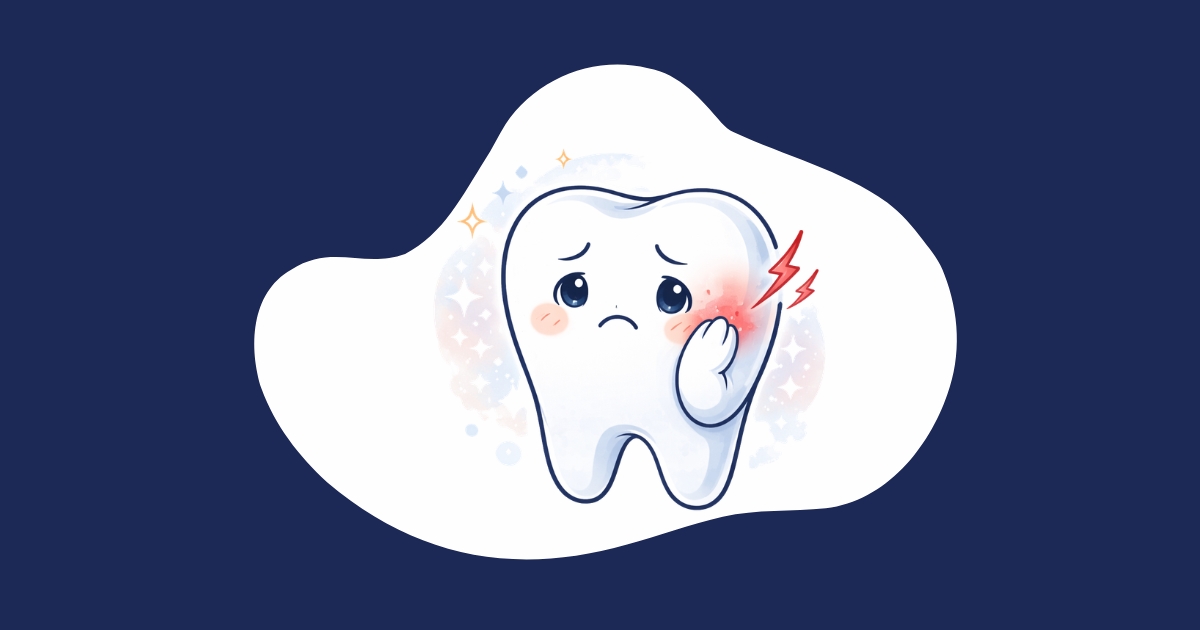
Because dental pulp is living tissue, problems affecting it, such as inflammation or infection, can lead to tooth pain, sensitivity, or conditions like pulpitis. Understanding how your tooth’s nerves and blood supply work can help explain why toothaches happen and why addressing them early makes such a difference.
What Causes Dental Pulp Inflammation (Pulpitis)
Pulp is living tissue, which means it can become irritated and inflamed, a condition known as pulpitis.
Common signs of pulpitis include:
- Deep tooth decay (cavities)
- Cracks or fractures
- Dental trauma or injury
- Sensitivity after removing cavities or old fillings
- Grinding, clenching, or excessive pressure
Unlike most tissues in the body, the pulp is enclosed within the rigid walls of the tooth, leaving little room for swelling. Even mild inflammation can create pressure, leading to sensitivity, throbbing, or tooth pain. In more severe cases, the swelling can restrict blood flow to the root, causing the nerve to die (necrotic pulp).
What are the Early Signs of Pulpitis?
You might notice:
- Sensitivity to hot or cold
- Lingering discomfort
- Occasional sharp or throbbing sensations
- Tenderness when biting or chewing
- Unexplained tooth sensitivity
Helpful tip: when the pulp is irritated, the discomfort often lingers. Instead of quickly fading, the sensation may stay with you even after the trigger is gone.
Can Your Dental Pulp Heal?
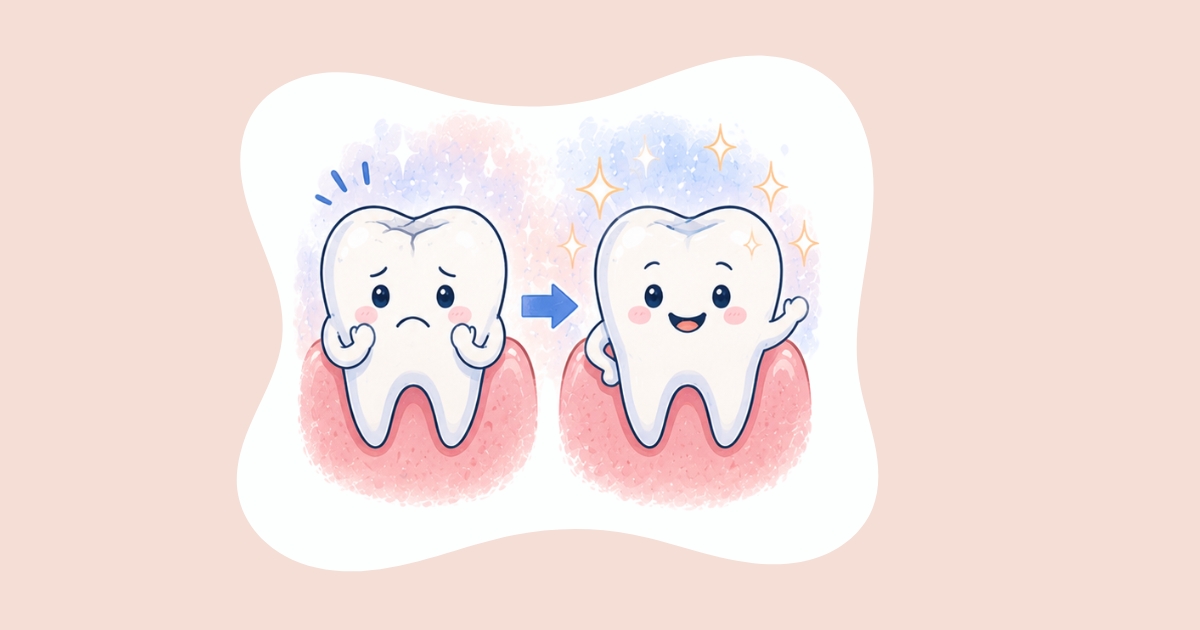
In some cases, mild irritation of the dental pulp can heal on its own — especially when the underlying issue is addressed early. This may involve treating a cavity, repairing a small crack, or adjusting a bite imbalance.
Because dental pulp is one of the most sensitive tissues in your body, even minor inflammation can produce a surprisingly wide range of sensations.
Tooth discomfort may feel:
- Sharp or sudden
- Dull or achy
- Throbbing or pulsing
- Intermittent
- Persistent
This variability is completely normal. Nerve-related pain can radiate, feel difficult to pinpoint, or even mimic sinus pressure, ear discomfort, or jaw tension. These signals are your tooth’s way of communicating that something deeper may need attention.
When to Get Help
Once inflammation becomes more advanced or infection develops, the pulp typically cannot recover without professional care.
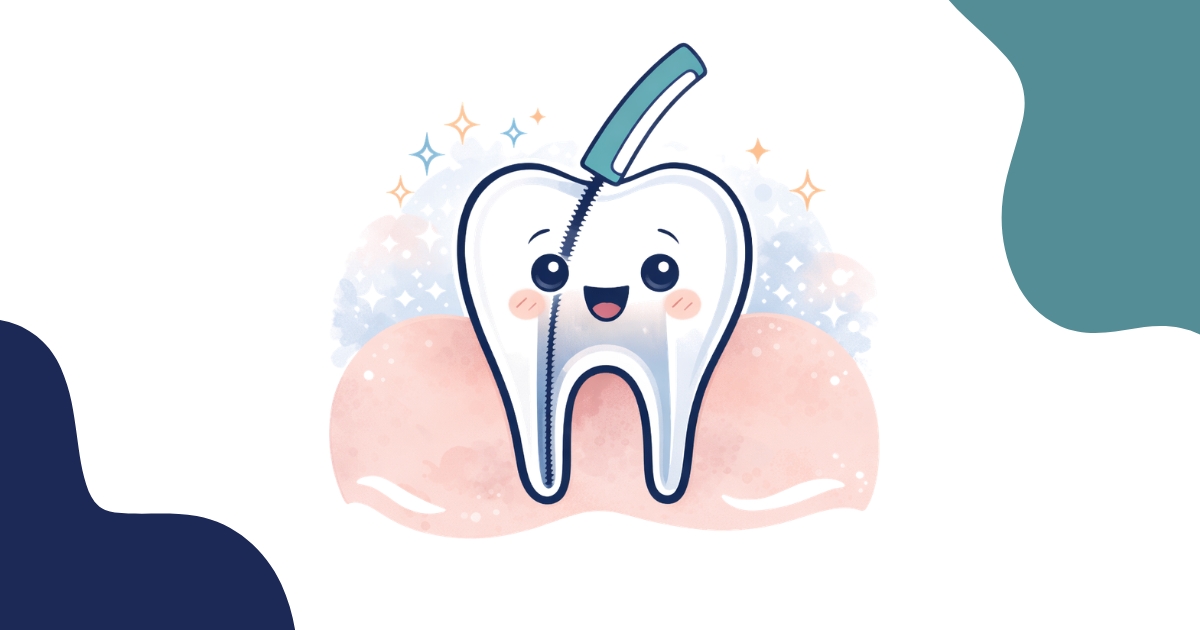
If the pulp is irreversibly damaged, treatment such as root canal therapy may be recommended. Today’s root canals are gentle, precise, and focused on relieving pain. Our experienced staff will be with you every step of the way, helping you feel relaxed and confident. During this procedure, the inflamed or infected tissue is gently removed, the inner canals are cleaned, and the tooth is sealed to prevent future complications. Despite outdated perceptions, modern root canals are designed to relieve discomfort while preserving your natural tooth.
If you’re experiencing tooth pain of any kind, contacting our office early is always the best course of action.
Love Your Teeth
from the
Inside Out
Keeping your pulp healthy starts with prevention: regular checkups, early cavity care, addressing cracks, using a night guard if needed, and good oral hygiene. A toothache is rarely “just a toothache.” Paying attention to early signs and seeking care when needed can protect your tooth’s long-term health and give you peace of mind.
Ready to find relief from tooth pain? Schedule your visit with us today. We’re here to help you feel comfortable, cared for, and smiling again.