
What is Tooth Bonding?
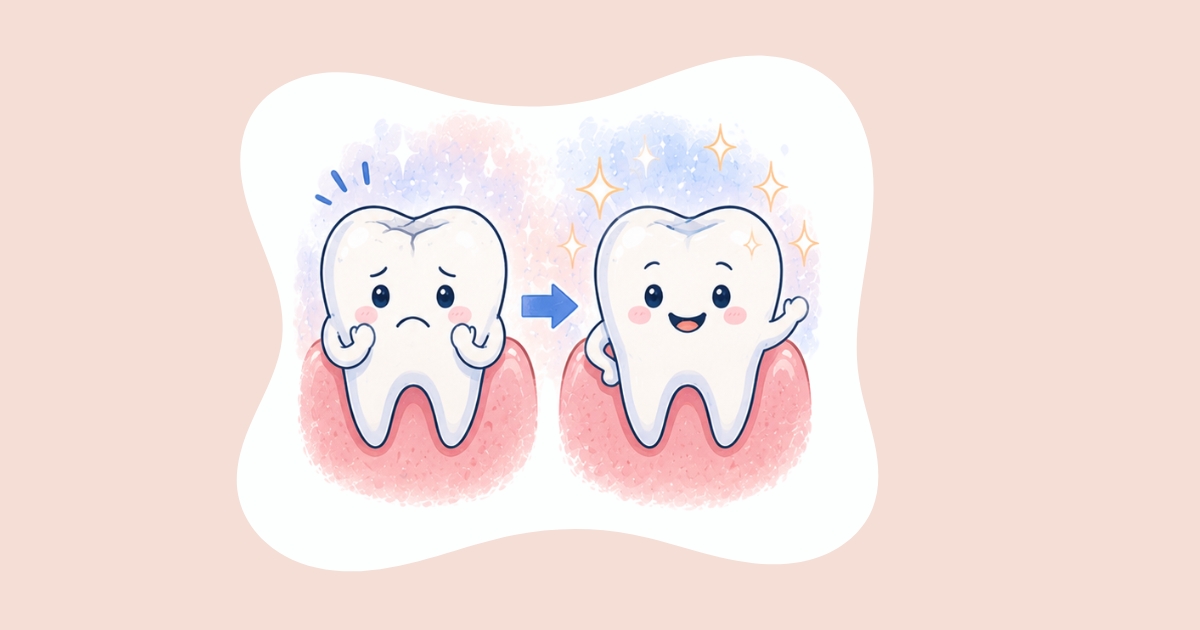
Have you ever suffered from a chipped or cracked tooth, large spaces between your teeth, or discoloration or decay? A procedure called tooth bonding can refresh your smile to look like new!
Also called dental bonding, this is a necessary procedure when there is a minor chip or crack in a tooth, when a patient has a large gap or space to close, or to cover discolored or decayed teeth. Dentists use a soft, pliable resin to mend the tooth or fill in the desired space. They can form it into any shape and color so it is identical to your existing teeth!
Fun fact: the highly durable resin used in teeth bonding is also used to fill cavities! As a result, the resin’s natural color is less noticeable than silver fillings and is often the better option.
Why Choose Tooth Bonding Over Other Options?
There are many modern ways to help us improve your smile! This procedure fixes minor damage; therefore, it is not meant to alter your smile completely but offers itself as a solution to small cracks and undesired nicks.
Veneers and crowns are more expensive options that completely alter a patient’s smile. With veneers and crowns, a material completely covers the tooth, whereas bonding repairs only part of the tooth. Because veneers last longer, don’t stain, and are considered more cosmetic, they cost more than teeth bonding.
Braces are primarily meant to relieve jaw pain or crowding. Additionally, they realign the patient’s bite and straighten teeth. More severe dental cases that bonding can’t fix may require braces if the symptoms warrant it.

More About the Bonding Process
Tooth bonding is one of our most straightforward cosmetic procedures, and most appointments take 30 to 60 minutes per tooth.
We start by matching a resin shade to your natural teeth for a seamless result. Next, we lightly roughen the tooth surface and apply a liquid bonding agent to help the resin bond securely. The resin is then placed, shaped, and hardened with a UV light. If any fine-tuning is needed after hardening, we can adjust the shape right then and there.
No anesthesia is typically needed unless bonding is being used to fill a decayed area, which makes the process even more comfortable for most patients. There’s no downtime either. You walk out with a refreshed smile and can get right back to your day.
How to Care for Bonded Teeth
There is no real difference in care and you can treat them just like real teeth! Caring for bonded teeth includes:
- Brushing twice a day and flossing
- Avoiding hard candies
- No nail-biting
- Avoiding tea, coffee, and red wine because of staining
- Getting regular cleanings every 6 months
With the right care, tooth bonding can last several years before needing a touch-up. It’s also worth noting that bonded teeth can pick up stains over time, especially from coffee, tea, and red wine, so limiting those or rinsing after consumption can help keep your results looking their best. When you come in for your regular cleanings, our team will check on your bonding and let you know if anything needs attention.
Your Smile Is
Worth It
Tooth bonding is one of the simplest ways to feel more confident about your smile. Whether you’re dealing with a chip, a gap, or discoloration, it’s a quick, comfortable option with results you can see right away.
If you’re curious whether dental bonding is the right fit for you, we’re happy to walk you through it. Book an appointment or call us at 704.864.9949.