Nourish Your Oral Health and Mental Well-Being One Bite at a Time
Some days, caring for everyone and everything else leaves little time to think about what is on your plate. Breakfast becomes coffee, lunch gets squeezed between appointments, and dinner is whatever takes the least effort. When life feels overwhelming, feeding yourself well can feel like one more task.
Your brain and body need regular nourishment, and many foods that support overall well-being also provide the nutrients your teeth and gums need. The connection between oral health and nutrition means everyday food choices can support both your mind and your smile.
Research suggests that improving diet quality may support mental health alongside other care. In the small SMILES trial, adults with depression who received dietary support experienced greater improvement in symptoms than those receiving social support. Many also continued medication, therapy, or both.
Food is one part of caring for your mental health, alongside rest, connection and professional support when you need it. Eating well does not have to mean eating perfectly, and dietary changes do not replace treatment for depression or anxiety. Giving yourself time to eat regularly is a worthwhile act of care.

A Healthy Smile Makes Nourishing Meals Easier to Enjoy
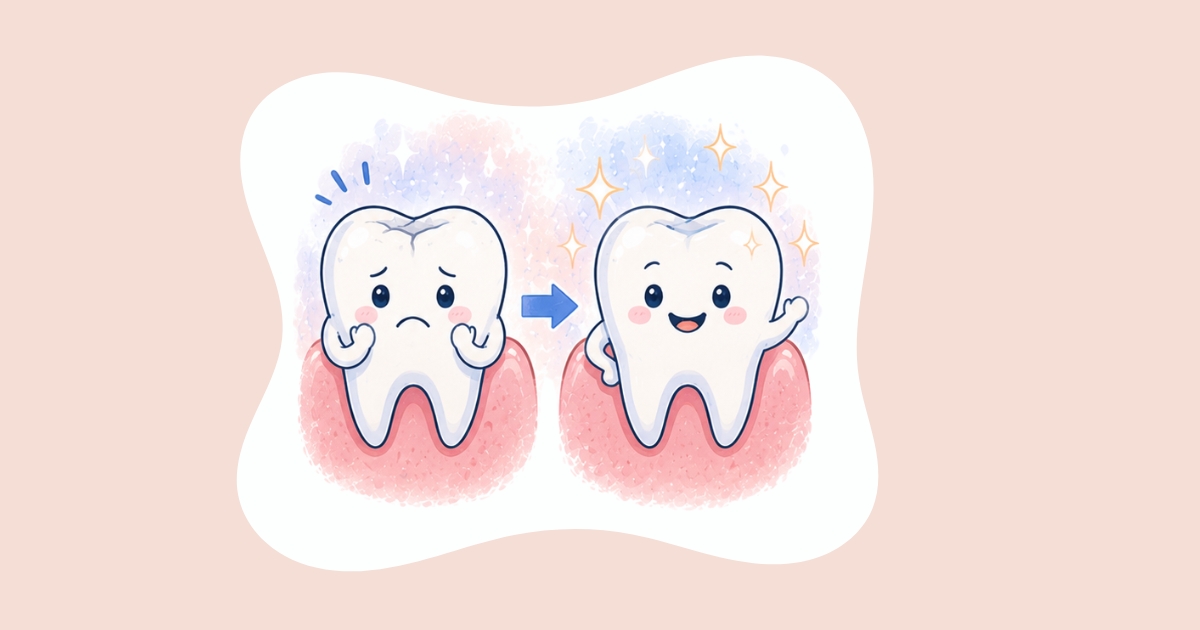
Enjoying a nourishing meal starts with being able to eat comfortably. The relationship between oral health and nutrition works in both directions: the foods you choose affect your teeth and gums, while the health of your mouth influences what you can comfortably enjoy.
Frequent sugar exposure gives plaque bacteria fuel to produce acids that damage tooth enamel. Acidic foods and drinks can also wear enamel down over time. Meanwhile, tooth pain, sensitivity, or difficulty chewing may lead you to avoid foods you once enjoyed.
If something on your plate has become uncomfortable to eat, tell your dentist. Finding and treating the cause can help you enjoy a wider variety of nourishing foods again.
Foods to Eat for Everyday Nourishment and a Healthy Smile
You do not need a complicated menu. Build meals around a variety of foods that provide protein, fiber, vitamins, and minerals.
- Vegetables and whole fruit: Try spinach in eggs, berries with breakfast, or cooked vegetables alongside dinner. Whole fruit provides fiber that juice generally lacks.
- Whole grains and legumes: Oatmeal, brown rice, beans and lentils offer affordable ways to add variety and fiber.
- Protein foods: Fish, eggs, poultry, tofu and beans can help round out a meal. Choose options you enjoy and can prepare consistently.
- Calcium-rich foods: Plain yogurt, milk, cheese, and appropriate calcium-fortified alternatives can help you meet your calcium needs.
- Water: Make plain water your everyday drink. Fluoridated water also helps protect teeth against cavities.
The American Dental Association’s patient nutrition guidance recommends a varied diet with these food groups, along with limiting added sugars. For an easy starting point, try oatmeal with plain yogurt and berries for breakfast, or a rice bowl with beans, vegetables, and your favorite protein for lunch. These are flexible, quick meal ideas that can help you build a nourishing routine.

Foods and Drinks to Limit & Habits to Avoid
Supporting your health does not require giving up every favorite treat. Small adjustments to what you eat and drink, and how often, can protect your smile while leaving room for nourishing meals.
Sugary drinks and frequent sweets. Soda, sweetened coffee, candy, and pastries can add substantial sugar. For your teeth, frequency matters: sipping a sweet drink throughout the afternoon creates repeated exposure. The ADA recommends limiting between-meal snacking; enjoying occasional sweets with a meal can reduce repeated sugar exposure.
Frequent acidic drinks. Energy drinks, sports drinks, and fruit juices can expose enamel to acid, even when some versions contain little or no sugar. Frequent exposure increases the risk of enamel erosion. Choose plain water more often.
Excess caffeine. If stress or anxiety is a concern, consider how much coffee, caffeinated sodas, or energy drinks you consume. NIMH recommends avoiding excess caffeine as part of coping with stress and anxiety.
Going long stretches without enough nourishment. When the day gets away from you, it is easy to postpone eating. Keep a few simple options available, such as eggs, plain yogurt, fruit, or leftovers. Snacks can help bridge the gap between meals, and convenience can be part of a nourishing routine.
Where Oral Probiotics Fit Into Your Daily Care
Food choices and daily dental care provide the foundation for oral health. Beyond those basics, you may have heard about oral probiotics and wondered whether they belong in your routine.
Oral probiotics contain live microorganisms intended to support the community of bacteria and other microbes in your mouth. Often available as lozenges, they are being studied for their potential dental benefits.
According to the National Center for Complementary and Integrative Health, some findings suggest certain probiotics may offer benefits alongside professional gum disease treatment. However, results vary by the specific organisms and products studied, and there is not enough evidence to say they reliably prevent cavities.
Plain yogurt with live cultures can be part of a nutritious meal, but it is not interchangeable with a dental probiotic studied for a specific purpose. Our team can help you decide whether an oral probiotic fits your needs.
The essentials still matter most: brushing twice daily with fluoride toothpaste, cleaning between your teeth, and receiving regular dental care. Oral probiotics may help some people, but they cannot replace these habits or needed treatment.
Make Your Next Meal an
Act of Self-Care
A nourishing routine can begin with one small change: eating a regular breakfast, adding vegetables to dinner, or choosing water more often. You can build from there without expecting yourself to get everything right.
If low mood or anxiety persists, a healthcare professional can help you explore support beyond dietary changes.
For questions about oral health and nutrition, our Bass Dentistry team is here to help. Whether you are curious about oral probiotics or have discomfort that makes eating difficult, schedule an appointment so we can talk through your concerns and care for your smile.