


4 Tips to Banish Bad Breath

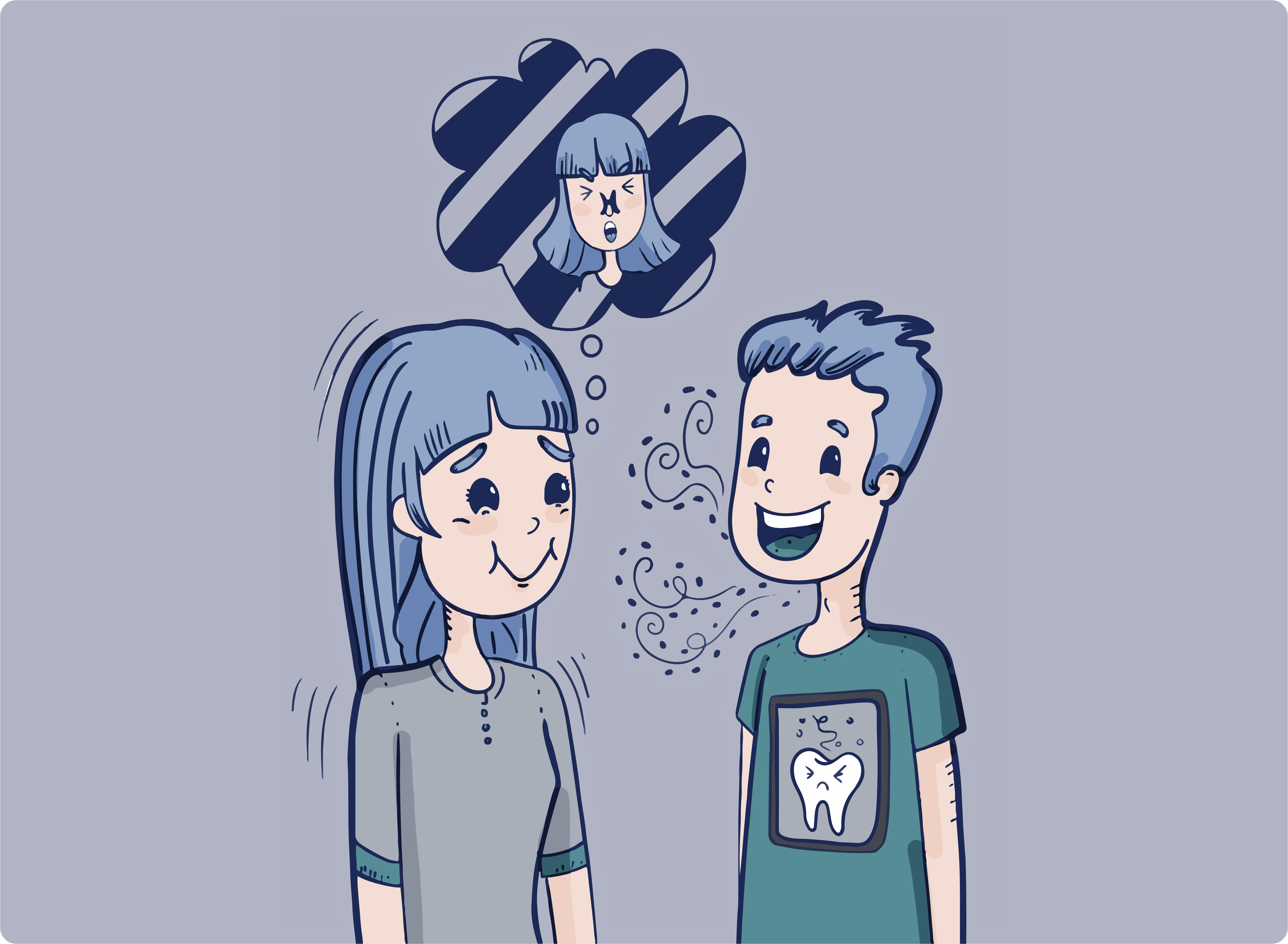
Illustration showing two people talking. One of them has bad breath.

What Causes Bad Breath?

It happens to the best of us. Bad breath, aka halitosis, can be a temporary issue caused by eating pungent foods like onions and garlic. It may also be caused by drinking coffee, tea, and sugary beverages that zap the moisture from your mouth. Or, it may be a more chronic issue related to certain medications or medical conditions that cause persistent dry mouth.

In any case, the main culprit behind stinky breath is bacteria. It’s always in your mouth, but when it’s given a chance to hang out and multiply, the trouble starts. Onions and garlic release sulfur compounds when chewed—when they latch on to bacteria, the odor increases. Drinks or medications that cause dry mouth prevent saliva from flowing and remineralizing your teeth. That means bacteria build up faster, allowing the bad breath to flourish. 

Bad breath can also be a sign of periodontal disease. Inflammation and bone loss from periodontal disease create deep pockets at the gumline where more bacteria can hide. 

Whether your bad breath is occasional or persistent, here are some tips to help you keep your mouth clean and your breath fresh every day! 

Brush and Floss Daily

We know—it seems like we recommend brushing and flossing daily to help with every oral health issue. Why? Because it works! 

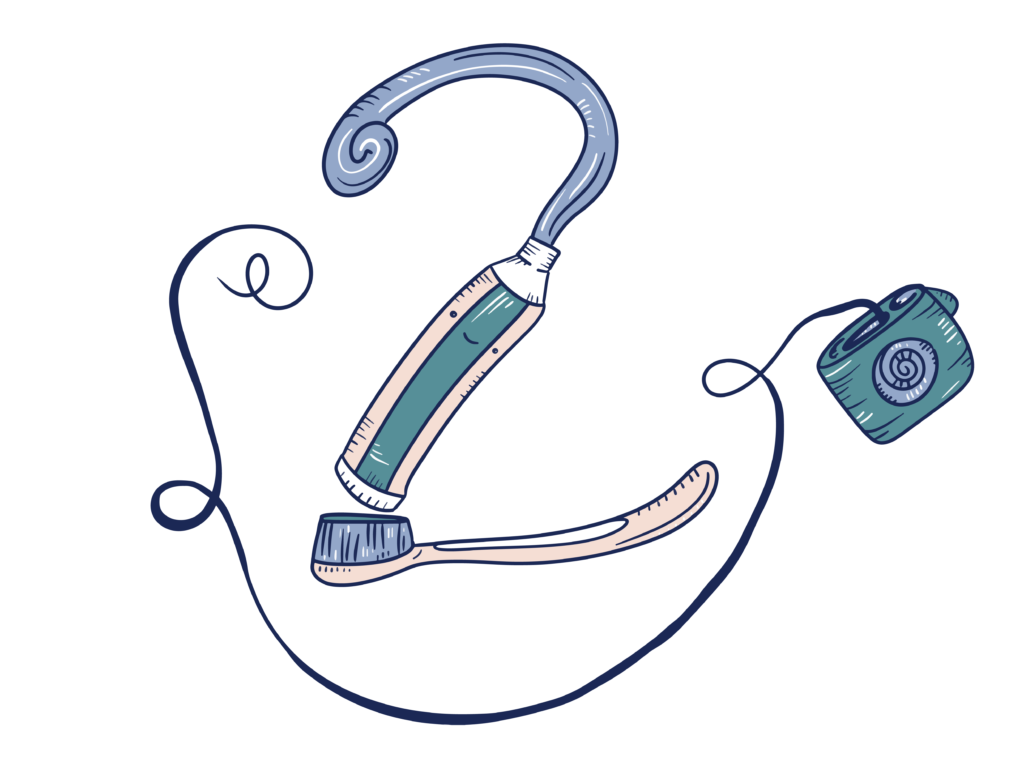
Flossing helps extract the bacteria-attracting food particles that get stuck between your teeth. Brushing twice daily with fluoride toothpaste helps sweep bacteria away while remineralizing your teeth to prevent plaque buildup. Plus, your favorite toothpaste provides an extra burst of flavor!

Scrape Your Tongue Daily

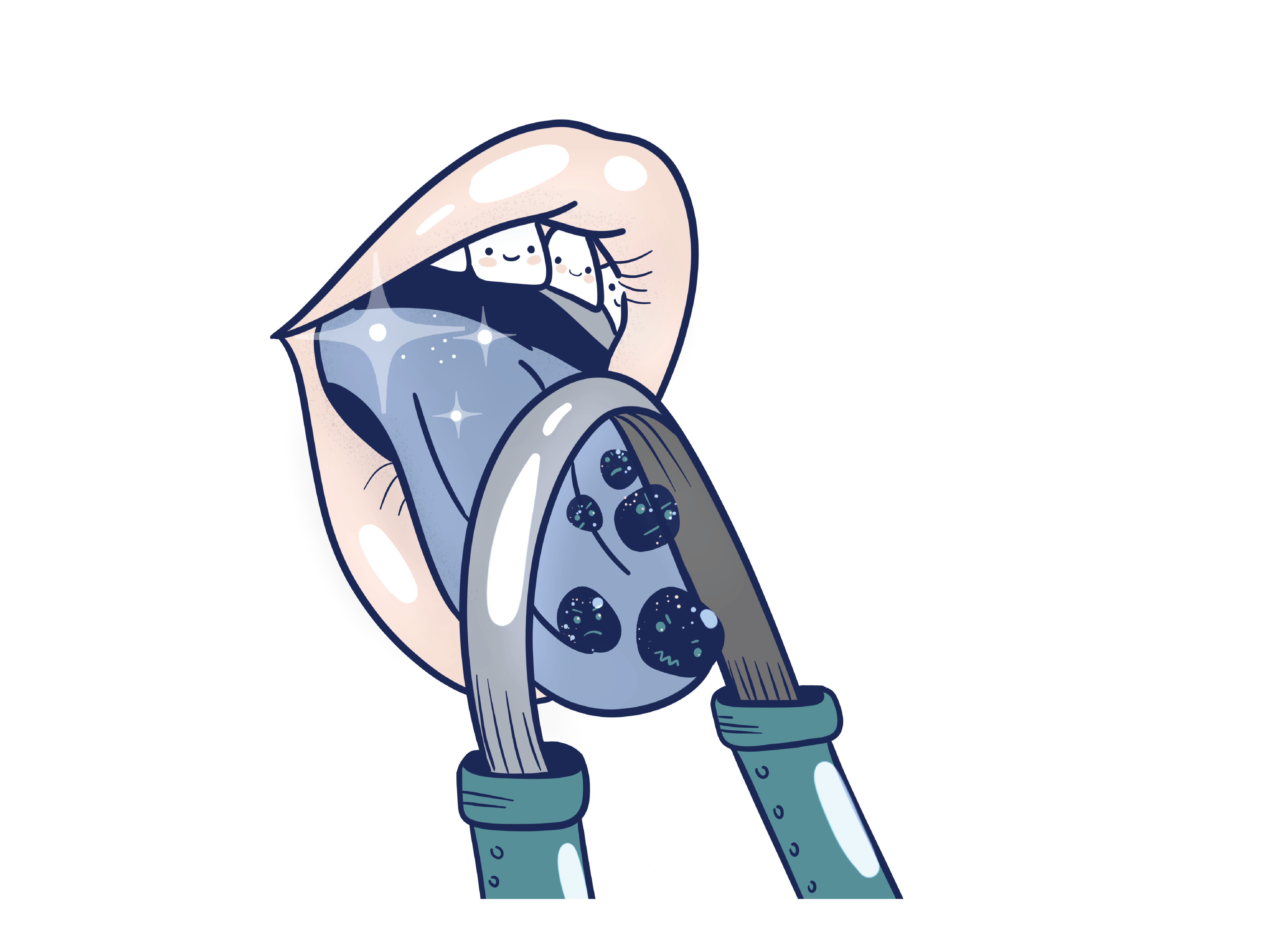
Bacteria love warm, moist environments, especially when they can hide in bumps and craters like the ones on your tongue. Scraping or brushing your tongue helps loosen and remove bacteria, food particles, and debris that might otherwise stay lodged in the tissue. 

Using a tongue scraping tool is generally more effective than using your toothbrush. Scrapers are available in various shapes, sizes, and materials (usually plastic or metal). 

Rinse With Mouthwash

The regular use of therapeutic mouthwash can help control bad breath. Active ingredients like cetylpyridinium chloride, chlorhexidine, and essential oils can help control bacteria while protecting against plaque buildup and gingivitis. Mouthwash is also beneficial because it can reach the areas in your mouth and between your teeth that even thorough brushing and flossing might miss.

Use Zinc and Xylitol Mints

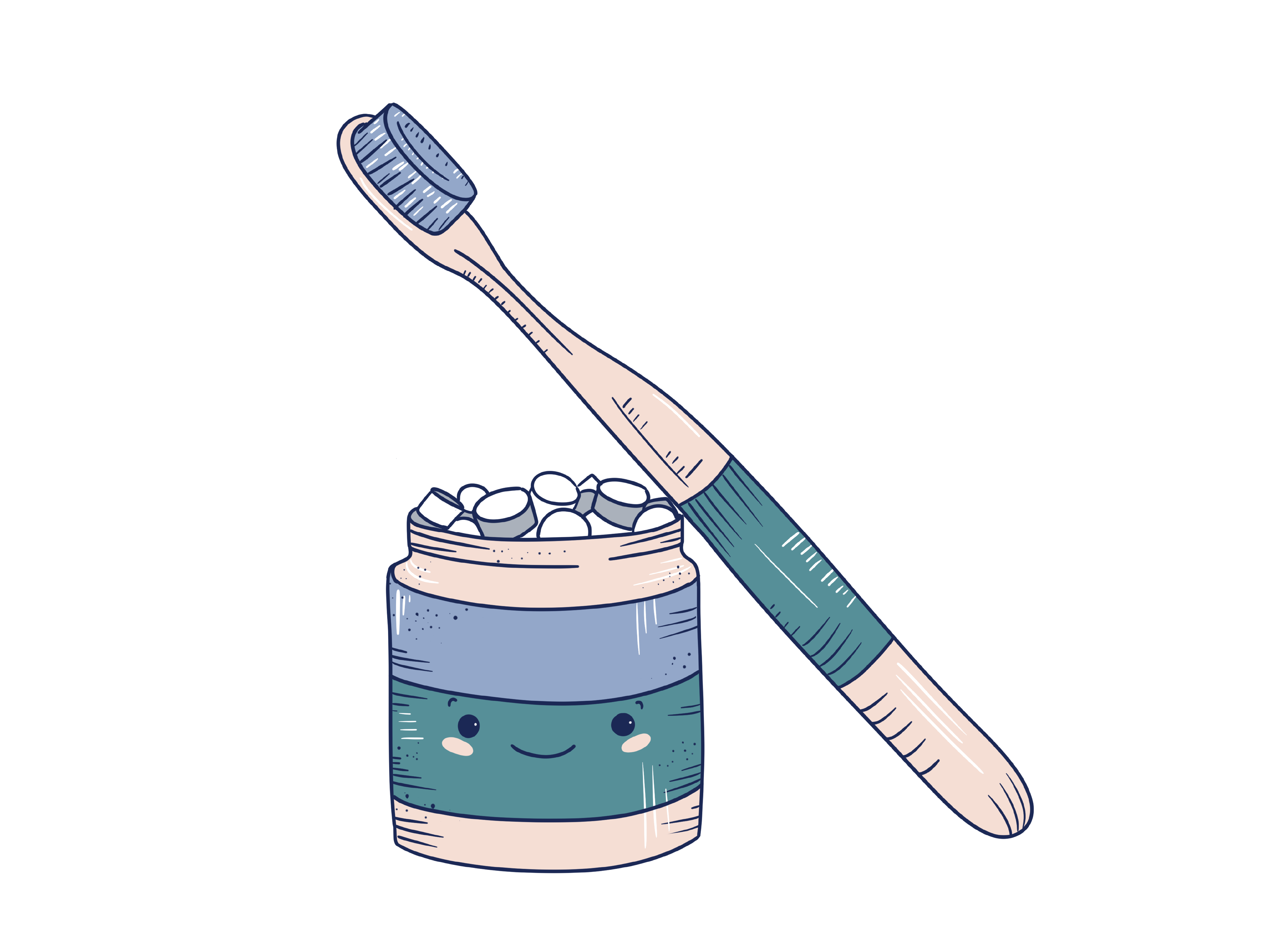
Zinc is a natural bacteria zapper that you may not be getting enough of. Mints or lozenges with added zinc may help fight bacteria while encouraging more saliva. 

Mints or gum with xylitol, a natural plant-based sugar alcohol, reduce decay and stinky breath-causing bacteria. Choose sugar-free mints or gum, since sugar feeds the bacteria in your mouth and can make bad breath worse with repeated use. However, keep any products containing xylitol away from your dog friends—even small amounts can be toxic.

Confidence Starts With
Fresh Breath

Bad breath can be a temporary, easy-to-fix inconvenience, or it might be a sign of a deeper issue. If you notice a change in your breath odor, talk to your dentist. They can identify the cause and offer a solution.

At Bass Dentistry, we’re happy to answer any questions you have about maintaining fresh breath and a healthy smile. Contact us to book an appointment today!

More Updates

Cartoon dentist in a white coat and blue gloves smiling with a happy patient in the dental chair during a quick, friendly tooth bonding visit

How Can Tooth Bonding Help You?

Tooth bonding is a fantastic option if you need a quick fix for a minor insecurity, have chipped or damaged teeth, or need to close small spaces in between teeth. You’ll be surprised at how much you can improve your confidence with dental bonding!

Scroll to Top